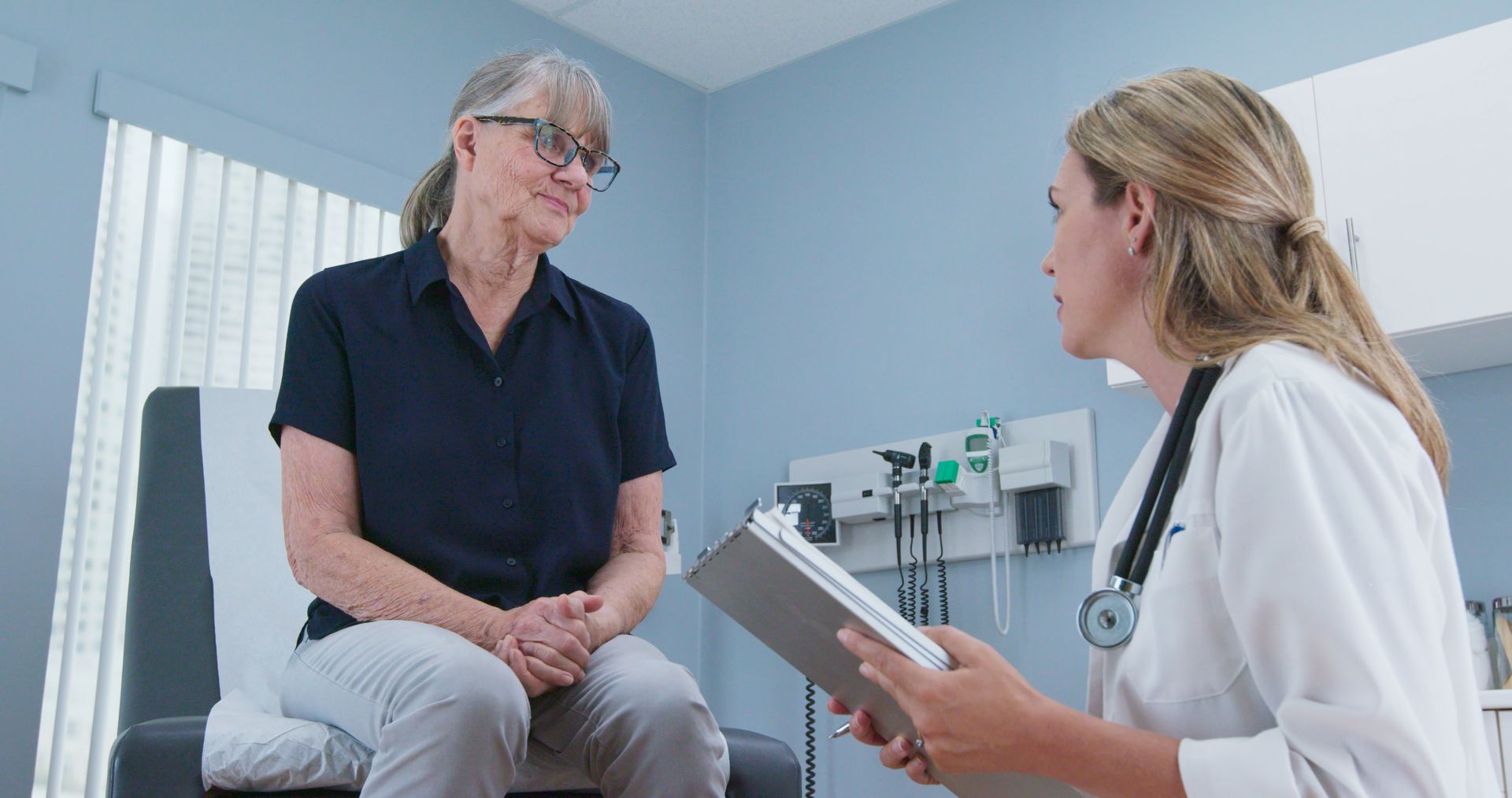
Living With Type 2 Diabetes: How Ongoing Internal Medicine Visits Support Hammond, LA, Adults Between Appointments
This guide explains how ongoing internal medicine visits help adults in Hammond, LA, live with type 2 diabetes. Diabetes care goes beyond a single appointment, and steady follow-up can make a real difference. The information here is general, so always follow your own provider's advice.
Why Ongoing Care Matters for Type 2 Diabetes
Type 2 diabetes is a long-term condition that needs regular attention. Blood sugar can change with food, activity, stress, illness, and medicines.
Regular internal medicine visits in Hammond, LA, help your provider spot patterns and adjust your plan. They also help catch problems early, before they affect your heart, kidneys, eyes, or feet.
What Happens at a Diabetes Follow-Up Visit
A typical follow-up visit reviews how you are doing since your last appointment. Your provider may:
- Review your blood sugar readings and symptoms.
- Check your blood pressure and weight.
- Order blood tests that show how your blood sugar has been over time.
- Look at your feet and ask about any sores or numbness.
- Review your medicines and how you are taking them.
These visits are also a good time to ask questions about food, exercise, and daily routines.
The Role of Your Internal Medicine Doctor
Doctors who practice internal medicine in Hammond, LA, are trained to manage adult conditions that affect more than one body system. Diabetes can touch the heart, kidneys, nerves, and eyes, so this big-picture view is helpful.
Your internist can also coordinate with specialists, such as eye doctors or kidney doctors, when you need them. That coordination keeps your care organized and your records in one place.
Foot Care and Diabetes
Foot problems are a common concern for people with diabetes. Reduced feeling in the feet can hide small injuries that grow into larger problems.
Some internal medicine clinics in Hammond, LA, have a podiatrist on staff, which can make foot care easier to arrange. A podiatrist can check your feet, treat issues like ingrown toenails, and help with wound care if a sore does not heal. Regular foot checks are a simple way to prevent bigger trouble.
Daily Habits That Support Your Plan
What you do between visits matters just as much as what happens in the office. Habits that often help include:
- Taking medicines exactly as prescribed.
- Keeping a log of your blood sugar readings if your doctor asks.
- Choosing balanced meals and watching portion sizes.
- Staying active in ways your provider approves.
- Checking your feet every day.
Talk with your provider before making big changes to your diet or activity, especially if you take medicines that lower blood sugar. Support from family and friends can help too. Small, steady changes are easier to keep up than big ones.
Steps to Get Ready for Your Next Visit
Preparation helps you make the most of each appointment. Try this order:
- Write down your blood sugar readings or bring your meter.
- List any symptoms, such as thirst, tiredness, or blurry vision.
- Bring all your medicines, or an updated list.
- Note questions about food, exercise, or side effects.
- Ask about any tests or screenings that may be due.
Questions to Ask Your Provider About Diabetes
Good questions help you stay involved in your own care. Consider asking:
- What blood sugar range should I aim for?
- Which tests do I need, and how often?
- Do my medicines need to change as my health changes?
- What symptoms should make me call right away?
- Should I see an eye doctor, kidney doctor, or other specialist?
Write down the answers so you can refer to them at home. Bringing a family member to your visit can also help you remember what you discussed.
Frequently Asked Questions
How Often Should I See My Doctor if I Have Type 2 Diabetes?
Your provider sets the schedule. Many people with type 2 diabetes return every few months, and visits may come closer together after a change in medicine. Ask what timing suits you.
Can I Manage Diabetes With Diet and Exercise Alone?
Some people can, and others need medicine. It depends on your blood sugar and overall health. Your provider will guide you and adjust your plan over time.
When Should I Call My Doctor Between Visits?
Call if you notice new symptoms, a sore that is not healing, or blood sugar readings outside your range. If you have severe symptoms, seek urgent care. Your provider can tell you what to watch for.
Get Support at Internal Medicine Clinic of Tangipahoa
Your next diabetes visit goes further when you arrive ready. Bring your blood sugar readings, your medicine list, and the questions from this guide, and we will work through them with you at Internal Medicine Clinic of Tangipahoa in Hammond, LA. If blood work or a foot check is due, we offer both at our clinic through our in-office lab and our podiatrist.
Call (985) 542-6251 or contact us to book your next diabetes follow-up. You can also read about healthcare services in Hammond and see reviews of Internal Medicine Clinic of Tangipahoa on Google.